
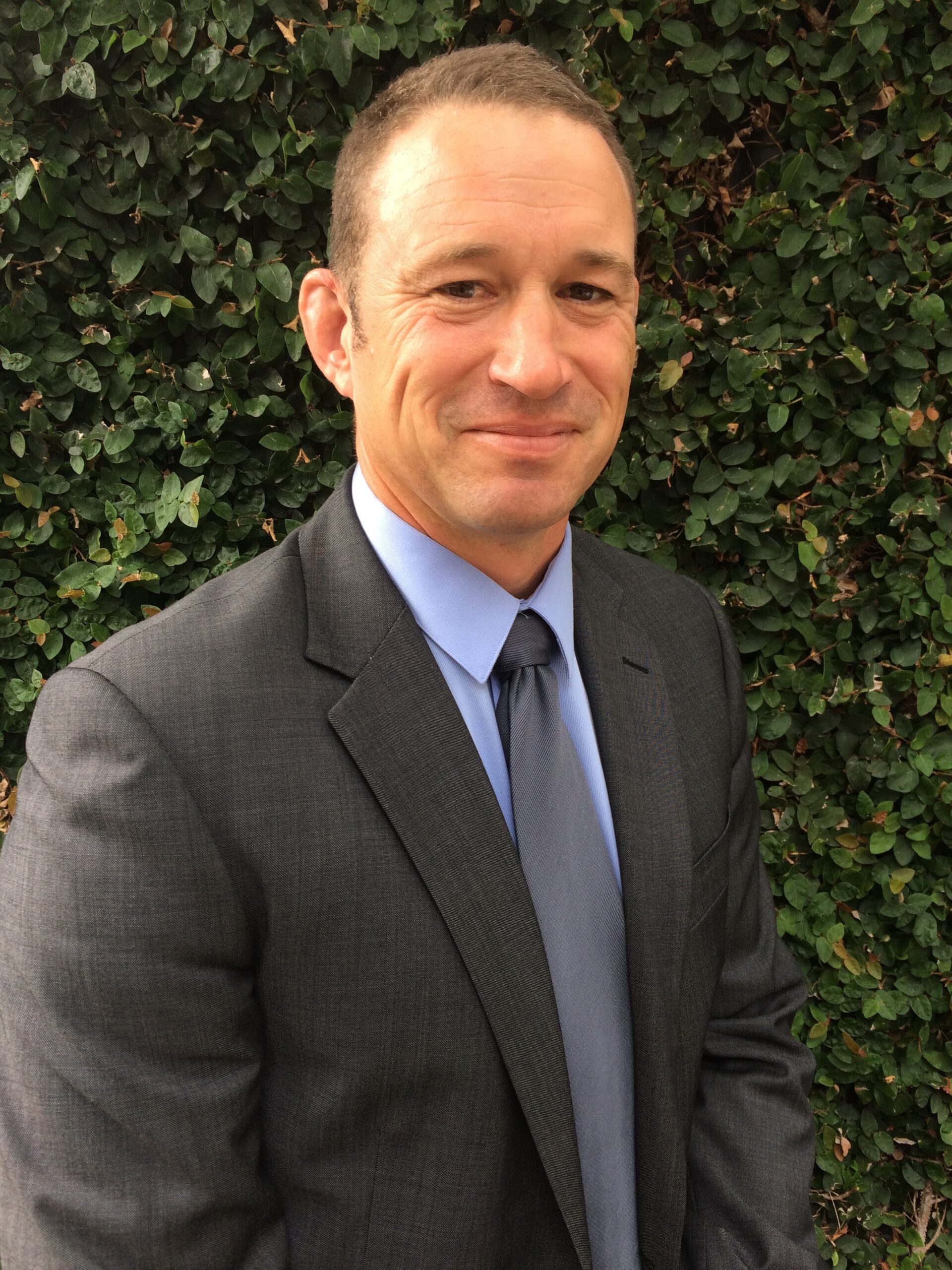
As Chief Executive of Quality Roading and Services (QRS) and a Wairoa District Councillor, Jeremy Harker brings a unique perspective on local civic leadership and workforce development. In this interview, he shares how employers can serve as a powerful force for good – demonstrating how investing in employee health and safety directly strengthens the wellbeing of whānau and the wider community.
You wear two significant hats in Wairoa—as CEO of QRS and a District Councillor. Can you tell us a bit about your connection to Te Wairoa, your background, and what drives your commitment to this community?
We moved here as a family in 2008, to be closer to my wife’s family and bring our kids up in an environment that was close to whanau and would provide a firm base for us. I had been in the NZ Army for 20 years and the time away from family – overseas on deployments or exercises within NZ – was having an impact. Wairoa has been a great place to raise our children being close to family and the connections that are made in a small community have definitely shaped us positively. Kids in small communities grow up having to mix with everyone regardless of age or background, learn to get involved if things need to be done. I am grateful for the opportunities we have had living in Wairoa. We have great people around us.
As a major local employer, QRS plays a key role in the district’s daily life. What’s your vision for using the workplace as a vehicle for health and wellbeing, and how does QRS support its workers and their whānau?
What happens in the community impacts what happens at QRS, and vice versa, as we are all connected through whanau, school, sport, marae and communities. So, if we can help our people to be healthier it is going to have a positive impact on the employee, their whanau and the wider community.
We offer free gym and pool access, an independent anonymous counselling service through Vitae, health checks, run programmes designed to encourage health and wellbeing improvement. We also focus a lot on mental health through Mates for Life. This encourages us to check in on each other, recognise when someone is not 100%, and have the tools to start the process to help.
What inspired you to champion employer-led health and wellbeing? Was there a specific moment or realization in Wairoa that highlighted the need for businesses to step-up into the health space for their workforce?
Just being part of this community and seeing the ripple effect of someone who is unwell.
Delivering health and wellbeing initiatives in a rural, isolated community like Wairoa comes with real hurdles - from access to services and local geography. What have been the biggest challenges QRS has faced in rolling out these initiatives, and how have you navigated them?
Probably the tyranny of distance. We need to get better health services closer to our people. Driving one hour from Tuai just to get to Wairoa let alone having to then get to a dentist or specialist in Napier or Gisborne makes it hard. It easier to not bother. Some of the biggest challenges at QRS and probably across Wairoa or NZ is a male “she’ll be right” attitude or lack of time, until its too late. I am guilty of it myself, and that is despite me seeing the negative impacts of being blasé or avoiding going to get something checked up.
On the flip side of those challenges, what have been the most rewarding outcomes? When you see the practical impact of these health and wellbeing efforts on your staff and their whānau at home, what does that mean to you?
Seeing someone make the change in lifestyle or attitude towards their wellbeing, and getting fitter, healthier or more resilient.
We have really focussed on trying to make QRS a safe work environment through addressing health and safety concerns and adopting a strict drug and alcohol policy, particularly with regard to meth. We will not allow anyone in the company to work at QRS if they test positive for class A drugs including meth. We test on pre-employment, post incident and randomly every month. We use swab, urinalysis and hair follicle testing. The impact of this is that we have seen better people with great attitudes wanting to work at QRS. They may not have the qualifications, but they do have the right attitude and disciplines, and it is easier to train someone to operate a digger than it is to deal with the impact of drug and alcohol abuse. We believe this has had the greatest impact on the health and wellbeing of our people and is having a positive impact on our employee’s whanau in the community.
In rural regions, maintaining a strong, healthy workforce is critical. How can large employers, Hauora providers and advocates like Tihei Takitimu, and local government work together to build sustainable pathways, keep local people in local jobs, and ensure our workforce stays well and supported?
Communicate the advantages of being a health practitioner in a small community – the cost of living is a lot less than in a big centre, you’re not spending hours a week in traffic, the connections to community enable you to see the positive impact you have, and the community hold you in high regard.
I think more can be done to incentivise health professionals to serve in smaller communities. The cost savings to health services are huge if you’re able to be more proactive in a community rather than reactive in a hospital ward. Also, take fringe benefit tax off company gym/pool wellbeing initiatives.
Outside of boardrooms, council chambers, and roading sites, what does Hauora mean to you personally? What keeps you grounded and nourished in your day-to-day life?
Being active whether its going for a walk with my wife, hunting, Whanau fit, or surfing. Trying to stay active and doing stuff with good people.
From your unique position in both commercial leadership and local government, what do you see as the biggest health and wellbeing challenges facing Wairoa whānau today, and what systemic changes do we need to make to improve this?
Finding time to get healthier. Encouraging people to be more active. Realising that community and work environments can influence each other positively and negatively.
What does local ownership and autonomy over health look like from an employer's perspective? How can large businesses empower staff and whānau to take charge of their own wellbeing?
Like I said in my second answer what happens in the community impacts what happens at QRS and that impact flows back the other way too.
Is there a favourite whakatauāki, or personal kaupapa that guides your approach to leadership and looking after people in Te Wairoa?
Ehara taku toa i te toa takitahi, engari he toa takitini.
My strength is not mine alone, it is the strength of many.